In many relationships, one person naturally takes the lead on managing the finances, paying bills, tracking investments, and coordinating with the advisor, while the other is happy to stay on the sidelines. The other partner may not be disinterested, but they’re not exactly drawn to spreadsheets or financial planning conversations either.
And for the most part, that division of labor works just fine. But what happens if the person who usually manages the finances can no longer do so?
Whether due to illness, cognitive decline, or death, the less-involved spouse may suddenly need to step in. And in retirement, when your income, healthcare, and legacy planning all depend on having a clear financial strategy, it’s important that both partners understand the basics, even if only one of you has an interest in the details. Beyond that, cognitive decline is a growing concern as we age. Even the spouse who’s usually “on top of it” may not be as sharp at 85 as they were at 65. It’s important that both partners have a basic grasp of the plan and that steps are in place to simplify future decision-making.
Focus on What the Plan Does, Not How It Works
The first step is to reframe the conversation. Most people who are uninterested in finance aren’t avoiding it because they’re incapable; they’re just turned off by jargon or details that feel abstract or irrelevant. They don’t need to know the exact withdrawal strategy or how the portfolio is allocated. What they do need is a clear sense of what the plan is supposed to do for your life.
Instead of leading with numbers, try connecting the plan to your shared goals. For example, instead of saying, “We’re drawing 4% from a diversified portfolio of equities and fixed income to preserve principal while covering our RMDs…” Try something like, “We’ve set things up so there’s always money coming in from different sources like Social Security, our investments, and a backup cash fund so we can cover everything we need without worrying about the market.”
The goal is to translate the plan into life outcomes and ensure they won’t need to figure it out from scratch. It will also help your spouse view the financial plan as something that supports your lifestyle, rather than something they have to decipher.
Making the Most of a Financial Advisor
If you work with a financial advisor, you already have a resource that can help bridge the gap. Consider inviting your spouse to meetings, even if they’re not usually involved. Just being present can build familiarity and comfort. A good advisor will explain the essentials in plain language, making sure both of you feel confident about the plan. It can also be helpful to ask your advisor to walk through a simplified summary of how income is generated, what accounts are in place, and who to contact if something happens. Creating a clear “what to do if…” guide is one of the best gifts you can give your spouse to ensure they won’t be scrambling to figure things out during an already difficult time.
If You’re Managing Things on Your Own
For those not working with an advisor, these conversations are just as important, maybe even more so. Without a professional partner in place, you’ll want to make sure the less-involved spouse knows where things stand and how to carry the plan forward if needed. Start by creating a simple summary of how things work. Where are the accounts? What steps are taken each month to cover your expenses? Are there logins, instructions, or contacts that they should be aware of? Write it down and keep it in an easy-to-access spot. Think of it like a financial roadmap that your spouse can follow without needing to recreate the entire journey.
Preparing for Cognitive Decline
Even the spouse who has always handled the finances may not be able to do so forever. As we age, our ability to make complex financial decisions can decline, sometimes gradually, sometimes more quickly than expected. Planning for that possibility is not pessimistic; it’s practical.
Start by making your financial setup as straightforward as possible. That might mean consolidating accounts, using automated transfers for bill payment and income, or streamlining your investments into a balanced or managed portfolio. The goal is to reduce complexity now so that there’s less to navigate later. Legal documents like powers of attorney should be in place so that someone trusted can step in if needed. And perhaps most importantly, talk through these plans with your spouse and any other key people in your life before there’s a problem.
While you don’t need to turn your spouse into a financial planner, they should have a clear, working understanding of what your financial plan is designed to accomplish and how to step in if the need arises. That means using language that’s grounded in your shared goals, not financial jargon. Having a clear, flexible plan in place now can make a world of difference later.
Planning Together Starts with Understanding Each Other
These conversations aren’t always easy, but they are too important to put off. A great first step is for each spouse to take the RISA® questionnaire individually.
The RISA® (Retirement Income Style Awareness) helps you understand your personal approach to retirement income whether you lean toward predictable paychecks, flexible investments, or a mix of both. When both of you take the RISA on your own, you’ll gain insight into your individual styles and how they align or differ. That shared understanding can shape the way you plan for legacy and long-term care.
Once you have that foundation, the next step is making sure your financial life is set up to support both of your needs, even if one of you can no longer take the lead. That’s where the Legacy and Incapacity Planning Workshop comes in.
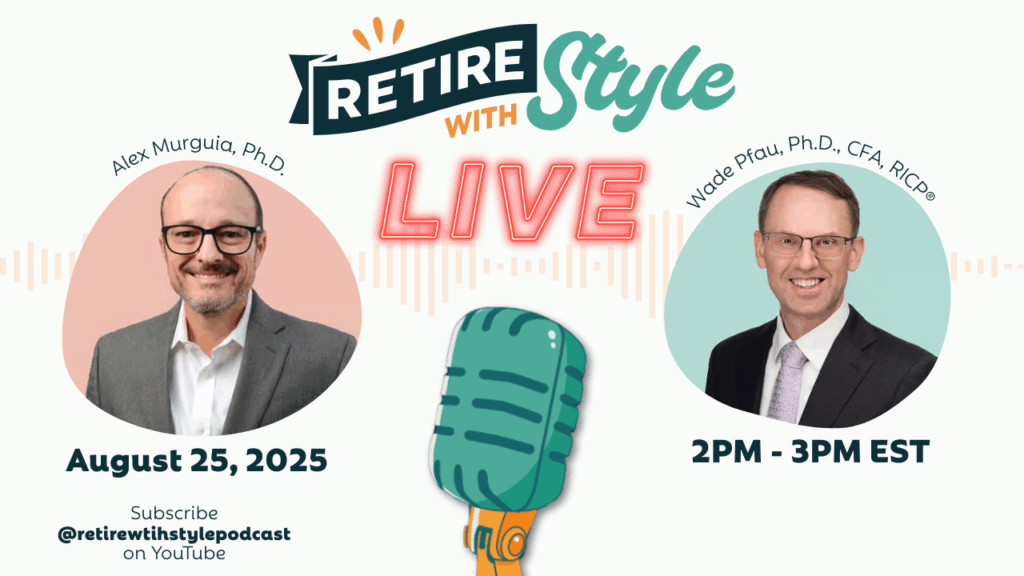
Hosted by Wade Pfau, PhD, CFA, RICP, this workshop walks you through how to simplify your financial setup, prepare for cognitive decline, and ensure your spouse or loved ones have a clear plan in place if something happens.
The best retirement plan isn’t just about numbers. It’s about making sure the people you love are prepared, supported, and confident in the years ahead.
Want to learn more? Listen to Ep. 188 of the Retire With Style Podcast.