The colleague who stops by your desk to talk through a problem may be interrupting your morning, but that conversation also says something about your place at work. Your experience is useful, your opinion carries weight, and someone trusts you to help them. When you picture retirement, you may look forward to having fewer interruptions without realizing how much satisfaction some of them provide.
Much of what we get from working is woven into routines we rarely stop to examine. There are people who rely on us, responsibilities that give us direction, and opportunities to use skills we have spent years developing. We may take these things for granted until we begin thinking about leaving.
Alongside preparing financially, it helps to consider how work contributes to our relationships, our routines, and our sense of who we are. While we’re still working, we have time to notice what we would miss and begin making room for it elsewhere.
Recognizing What Work Provides
Our colleagues become part of our everyday lives as we hear about their families, share in their good news, and learn to recognize when they’re having a difficult day. Tackling problems together builds camaraderie, and even the occasional complaint about a meeting can give us a reason to laugh. Some colleagues become close friends, while others are simply people we enjoy seeing each day.
We also get used to having co-workers who understand what we’re trying to accomplish. They know why a setback is frustrating or why finishing a specific project matters. Moving toward a common goal together gives us a reason to rely on one another, and that can be part of what we miss when we leave.
Retirement changes how those relationships work. People may sincerely intend to stay in touch, then find that several months have passed without getting together. The conversations that happened in the hallway now require a phone call or plans for lunch.
If most of your social contact happens at work, it’s worth giving this some attention before you leave. You may want to make regular plans with colleagues whose company you enjoy, while also getting to know others. A group that meets every week gives you a chance to become familiar with the members in much the same gradual way you did at work.
Work also provides opportunities to use your abilities and see that your contribution matters. Pay attention to the responsibilities you find satisfying, whether that involves solving problems, helping someone learn, or bringing people together. Those experiences can point toward activities you might enjoy in retirement. Mentoring, tutoring, or helping a community organization may let you continue using your strengths with more control over your responsibilities.
The rhythm of working life can be worth preserving in some form as well. Having somewhere to be and something to accomplish helps organize the week, even when you are ready for a lighter schedule. A few regular commitments can offer something to look forward to without filling every day. Before retiring, notice how you feel during time away from work and how much structure helps you enjoy it.
Your priorities will depend on what you value about your working life. You may welcome fewer demands while wanting to remain involved in decisions, or feel ready to leave your professional role while hoping to preserve the camaraderie of a team. Identifying the experiences you would miss gives you a practical starting point for choosing activities and relationships that can meet those needs after you leave. Leaving work is often the first of several transitions that reshape daily life in retirement, and our workshop on Transitions in Retirement: A Whirlwind of Change looks at the most common ones and how to plan for the way they tend to unfold.
Developing an Identity Beyond Work
For many of us, our profession has been part of how we introduce ourselves for decades. Over time, we also become known for particular things, whether that means handling difficult situations, helping others learn, or remembering how something was done years ago. Leaving can feel strange when we’re used to having our experience sought out, even when we’re happy to retire.
Preparing for that change begins with recognizing the qualities we value in ourselves beyond our professional lives. Someone who enjoys managing a team may take satisfaction in encouraging people and helping them develop. Someone who takes pride in technical work may enjoy learning, solving problems, and mastering a difficult task. Those qualities remain part of us after we leave the workforce, and they can help guide how we spend our time.
It’s also worth considering the parts of your life that have received less attention during your career when getting started. We may have interests we have rarely pursued, friendships we would like to deepen, or family roles we want to be more involved in. Spending more time on these parts of life while we’re still working can help us feel less defined by our jobs.
Some of these interests may have little connection to anything we did professionally. We may find ourselves learning from others who know nothing about our careers or becoming comfortable with something we initially found difficult. Over time, those experiences give us other ways to describe ourselves and other parts of life we care about.
Testing Things While You Are Still Working
You can learn a great deal about what you will need in retirement by noticing which parts of your workweek you would choose to keep. For a few weeks, make brief notes about moments that leave you satisfied or energized, including experiences you might otherwise take for granted.
As you review your notes, look beyond the activity to understand what made it rewarding. Helping a colleague may have given you the pleasure of solving a problem, the satisfaction of sharing your knowledge, or an opportunity to connect with someone. Identifying what mattered about the experience will help you recognize other ways to meet that need.
Someone who has managed employees for years might assume that joining a nonprofit board would be a good fit. Looking more closely at the workweek could reveal that helping individual employees was satisfying, while meetings and administrative decisions had become tiring. Trying a mentoring role before retirement would give that person a chance to see whether helping someone learn is as satisfying outside the workplace.
Then consider how much of that satisfaction you already find outside work. You may have close friendships but few opportunities to use skills you enjoy, or plenty of personal interests that you mostly pursue alone. This can help you see where a new commitment would add something valuable to your life.
Choose one possibility to explore while you are still working, with a commitment that fits your available time. After participating a few times, notice whether you look forward to returning, enjoy the people involved, and feel satisfied with how you spent your time. Your experience may reveal that you prefer a different role or setting than you initially imagined.
Make sure you give yourself room to make those adjustments. Caring about an organization’s mission does not necessarily mean its volunteer opportunities will suit you, and getting comfortable with a new group can take several visits. Trying something before retirement gives you time to discover what fits without expecting it to fill the space your career will leave.
You don’t need to have every week of retirement planned before you leave work. Having a few friends or acquaintances you see regularly and activities you enjoy can give you a place to begin. Starting while you’re employed allows time to discover what suits you and change your mind when something doesn’t. By the time you leave, there may already be people expecting to see you somewhere else.
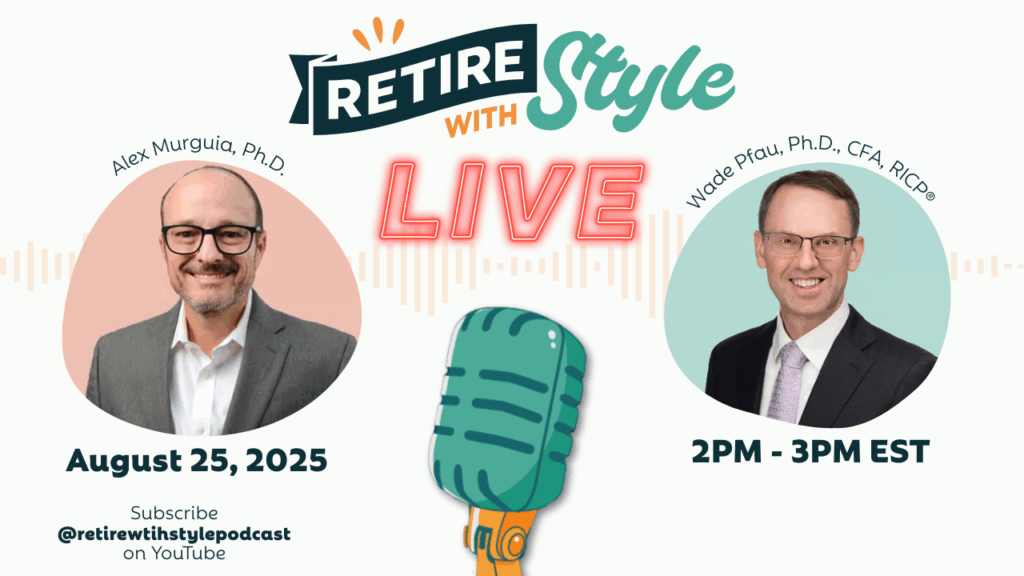
Want to learn more? Listen to Episode 256 of the Retire With Style Podcast.