What Does a 95% Success Rate Really Mean?

Most of us have spent our lives being evaluated on a scale of 0 to 100. From elementary school through college, we learned that higher scores meant better results. A 95 was an A, a 75 was a C, and anything below 60 usually meant we had some work to do. That way of thinking […]
A Zero-Dollar Tax Bill Can Be a Missed Opportunity

Paying no federal income tax can feel like an obvious win, especially after decades of watching taxes come out of every paycheck. Once work ends, income often drops, deductions may cover much of what remains, and it can be satisfying to see little or nothing owed when your tax return is finished. The problem is […]
Filling Tax Brackets May Be the Wrong Roth Conversion Strategy

Paying $0 in federal income tax during retirement might sound like the ultimate tax-planning victory. After decades of paying taxes on your earnings, investments, and retirement savings, reaching a point where you owe nothing can feel like evidence that you planned exceptionally well. But a $0 tax bill can also represent a missed opportunity. Each […]
The Safest Investment May Not Create the Safest Retirement

Most of the decisions we make in retirement planning become easier once you understand why you are making them, but that does not mean they always feel intuitive. Investing is a good example. You spend your working years accumulating savings, often with the understanding that accepting some market risk is necessary to grow your money. […]
The Tradeoffs of Protecting Your Purchasing Power

Every generation has stories about how inexpensive things used to be. A gallon of milk, a tank of gas, a movie ticket, or the first home someone bought decades ago all seem impossibly cheap by today’s standards. A dollar simply does not buy what it used to. That may seem like little more than an […]
Your Age Is an Imperfect Guide to Investment Risk

A restaurant can be packed every night and still struggle financially. Knowing how much revenue comes through the door tells you something, but not nearly enough. You also need to know what it costs to operate and what obligations must be paid. Retirement portfolios deserve the same treatment. An account balance, or the age of […]
What Investors Should Know About IPOs

A successful restaurant rarely opens its doors on the first day with every table filled and every reservation booked for the next six months. Even the best restaurants spend years refining their menu, building a reputation, and proving they deserve a loyal customer base. Investors, however, often expect newly public companies to justify valuations that […]
The Real Cost of a Roth Conversion
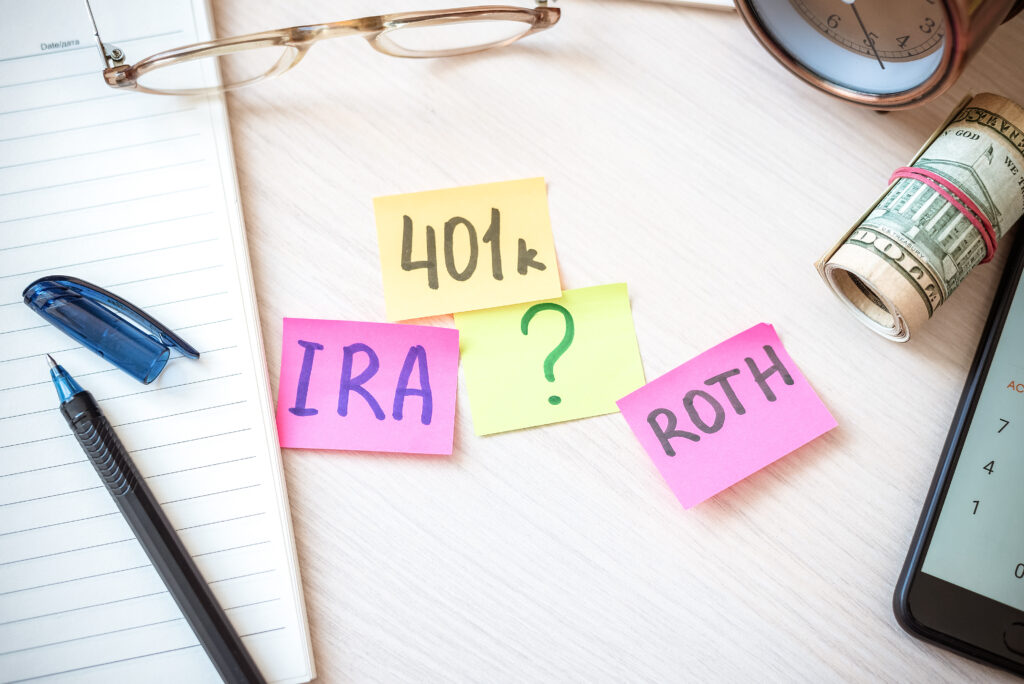
Few retirement planning topics generate more debate than Roth conversions. Some view them as one of the most powerful tax planning opportunities available. Others argue they’re frequently oversold, causing retirees to pay taxes years before they need to. Both perspectives have merit, but the problem is that they often focus on the wrong question. Many conversations begin by […]
Should Your Retirement Spending Rise and Fall with the Market?

Most retirement income strategies assume spending will remain relatively stable over time. You retire, determine a sustainable withdrawal amount, and then spend roughly that amount for the rest of your life, perhaps adjusting for inflation along the way. That assumption is so common that it often goes unquestioned. Yet there are retirement income strategies built on a very different idea. Rather than trying […]
The Biggest Inflation Mistake Retirees Make

Stocks are often described as one of the best long-term hedges against inflation. While that statement is generally correct, it can contribute to more retirement planning mistakes than most people realize. The issue is not that stocks fail to outpace inflation over long periods, but that many retirement plans often assume inflation has been addressed simply […]